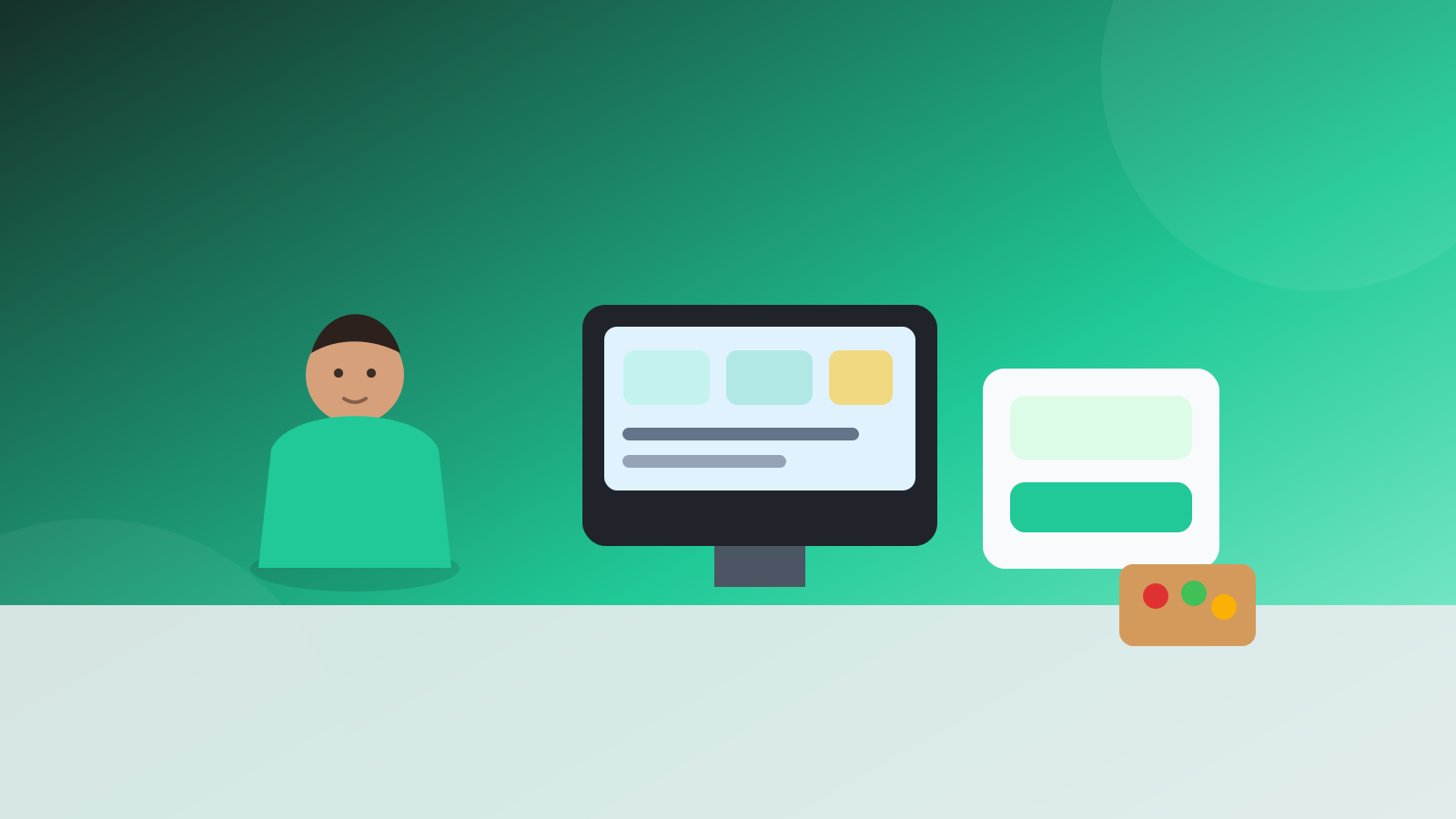
The problem with disconnected systems
When POS operates separately, another team may need to post daily sales into accounting or adjust inventory manually.
Every additional manual step adds time and increases the risk of inconsistent numbers.
How should a sale move through the business?
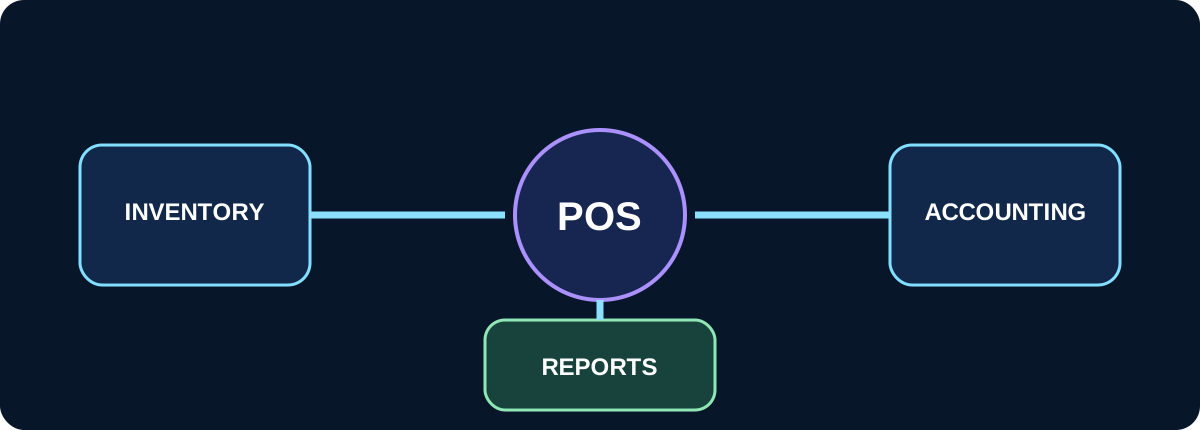
- ✓ The cashier records the sale.
- ✓ Sold quantities reduce inventory.
- ✓ Revenue and payment information flows into accounting.
- ✓ Customer history updates where relevant.
- ✓ The transaction becomes part of sales and management reporting.
Why connect POS to inventory?
Automatic stock reduction after each sale keeps system inventory closer to actual store movement.
Management can also identify fast-moving items and products that need replenishment.
Why connect POS to accounting?
Accountants should not have to recreate retail sales manually at the end of every day.
A proper integration can organise sales, taxes and payment methods in a way that supports accounting entries and reconciliation.
What about cash, cards and multiple payment methods?
Retail businesses often receive several payment methods during the same day.
Breaking sales down by cash, card and other methods makes cashier closing and daily reconciliation more transparent.
What does management gain?
- ✓ Daily sales visibility.
- ✓ Sales by branch.
- ✓ Sales by cashier.
- ✓ Best-selling items.
- ✓ Payment-method analysis.
- ✓ Stock movement caused by sales.
- ✓ Faster reporting without manual consolidation.
The NOZOM .cloud approach
Retail should not be a cashier screen disconnected from the rest of the business.
NOZOM .cloud is designed around connected workflows so sales, stock and accounting can operate from consistent data.