What does e-invoicing inside ERP mean?
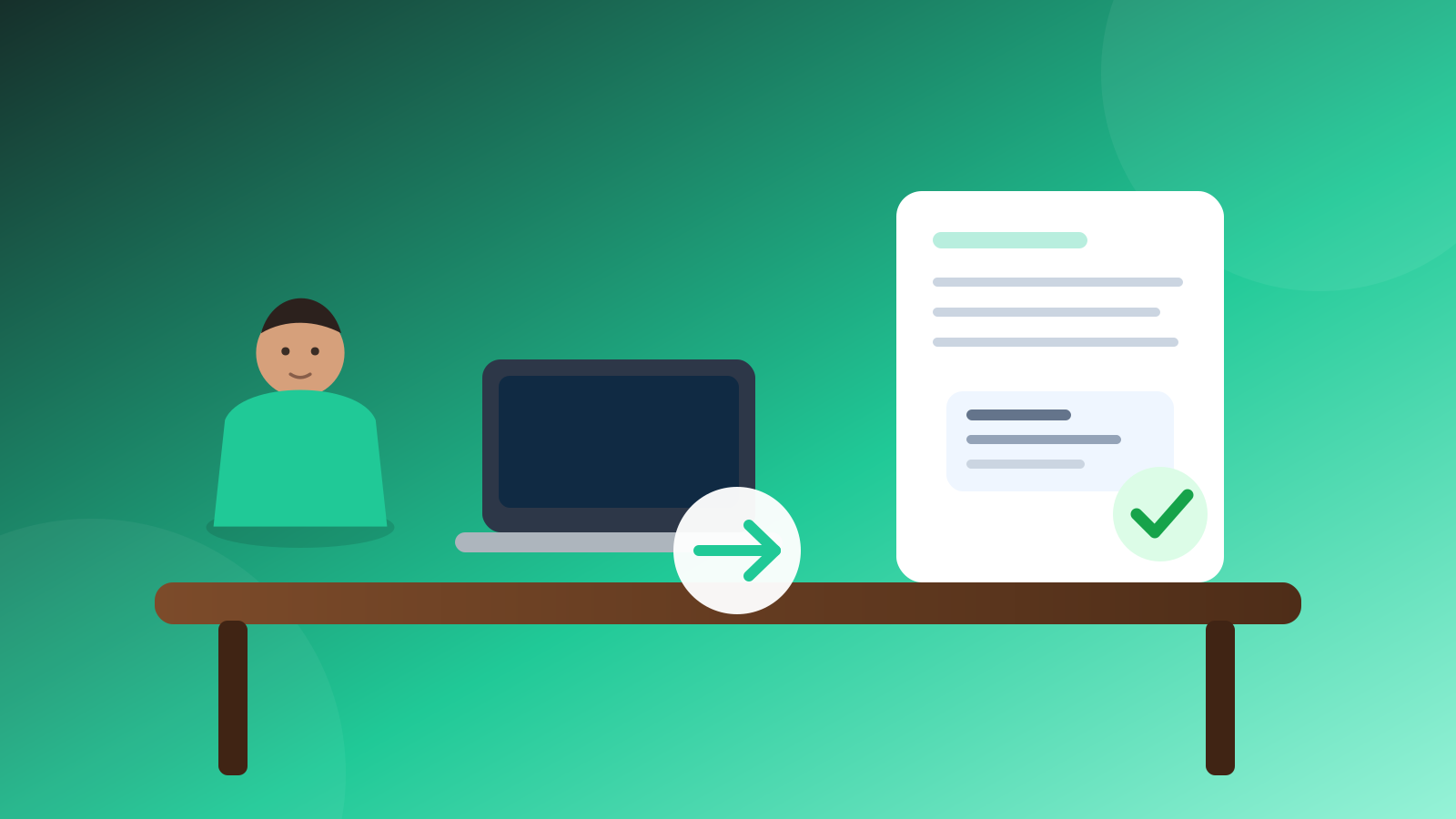
E-invoicing is more than generating a PDF invoice or sending an invoice by email. It involves creating structured invoice data that can be validated and submitted according to the electronic invoicing requirements of the relevant market or authority.
When the process is integrated with ERP, customer details, items, taxes, prices and accounting information remain connected to the original transaction rather than being manually entered again in another platform.
How does an electronic invoice move through the system?
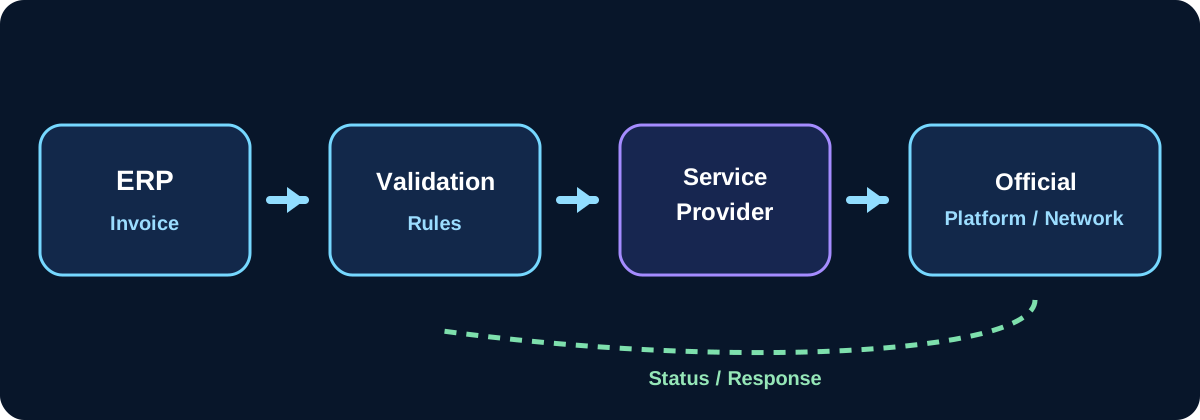
The process usually starts when a sales invoice is created inside ERP. The e-invoicing application then prepares the required structured data and validates important fields before submission.
If an external service provider is used, the invoice data can then be sent to that provider for onward integration with the required official platform or network. The resulting status can return to ERP so users know whether the invoice is ready, accepted or requires action.
Why is integration better than manual re-entry?
- ✓ Reduces duplicate entry across multiple systems.
- ✓ Reduces errors in customer, tax, item and amount information.
- ✓ Connects e-invoice status to the original accounting document.
- ✓ Makes it easier to identify submitted, rejected and pending invoices.
- ✓ Creates a clearer audit trail.
- ✓ Reduces repetitive manual work for accounting teams.
What is the role of an e-invoicing service provider?
In some markets businesses may connect directly to an official platform, while other environments may use service providers or intermediary platforms that handle validation and submission.
Using a service provider does not necessarily mean employees must work manually inside the provider's portal. With proper integration, users can remain inside ERP while invoice data is exchanged automatically in the background.
What happens when invoice data is incorrect?
A well-designed integration should validate key information before submission. This allows the system to detect missing or invalid fields and show useful errors before an invoice is sent.
If a provider or receiving platform rejects the invoice, ERP should show a clear status together with any available rejection details so the user can correct the issue and try again.
Do e-invoicing requirements differ by country?
Yes. Required formats, mandatory fields, validation rules, signing methods and submission processes can vary significantly between countries and regulatory environments.
For this reason, an ERP e-invoicing application is more flexible when it supports different connectors or providers rather than being permanently tied to one platform.
What should you look for in an e-invoicing solution?
- ✓ Direct integration with sales and accounting.
- ✓ Validation before submission.
- ✓ Clear invoice status tracking.
- ✓ A history of submission attempts and responses.
- ✓ Support for different providers or markets when required.
- ✓ No unnecessary manual re-entry into external portals.